Summary
Understanding the social isolation costs older adults face reveals why meaningful connections matter just as much as physical health. Gradual disconnection can significantly impact quality of life, even when someone remains physically independent.
- Social isolation can reduce motivation for hobbies, increase sadness, lower community participation, and weaken sense of purpose
- Mental health suffers when social opportunities decrease, but regular conversation and shared experiences provide critical cognitive stimulation and emotional resilience
- Independence doesn't require isolation—intentionally maintaining connections strengthens overall wellness during life transitions
- Early warning signs include declining invitations, withdrawing from hobbies, reduced phone contact, and increased irritability
- Building lasting relationships through consistent activities like volunteer work, clubs, and community events creates sustainable social engagement
Many older adults remain physically healthy and self-sufficient well into their later years. Yet even when daily routines seem unchanged, social connections can gradually shrink. Friends move away, spouses pass on, and family members balance busy schedules of their own. What begins as occasional loneliness can slowly become a more significant issue that affects overall quality of life.
Understanding the social isolation costs older adults face is important for anyone who wants to maintain a fulfilling and connected lifestyle. While independence remains a priority for many seniors, meaningful relationships and regular social interaction are equally valuable.
How Social Isolation Affects Overall Wellness
The social isolation costs older adults experience often go unnoticed because they develop gradually. Long periods without meaningful interaction can affect motivation, outlook, and engagement with everyday life.
Research has consistently linked the loneliness health effects seniors experience with a variety of challenges, including:
- Reduced motivation to stay engaged in hobbies and interests
- Increased feelings of sadness or discouragement
- Lower participation in social gatherings and community events
- Difficulty maintaining a strong sense of purpose and routine
For many older adults, staying connected is just as important as maintaining physical fitness. Both contribute to a balanced and enjoyable lifestyle.
Mental Health Impacts You Should Know About
Mental health and senior loneliness are closely connected. When social opportunities decrease, it can become easier to withdraw from others. Over time, that withdrawal may create a cycle that becomes difficult to break.
Regular conversations, shared experiences, and meaningful friendships provide important opportunities for mental stimulation. Whether discussing current events, participating in a favorite hobby, or simply sharing a meal, social engagement helps keep people connected to the world around them.
Remaining socially engaged can support:
- Cognitive stimulation through conversation and learning
- Greater confidence in social settings
- Stronger emotional resilience during life transitions
- A continued sense of belonging and purpose
These benefits highlight why preventing senior isolation should be an ongoing priority rather than something addressed only after loneliness develops.
The Independence Paradox
Many older adults value independence and take pride in managing their own schedules and responsibilities. However, independence does not have to mean isolation.
Sometimes the desire to handle everything alone can unintentionally reduce opportunities for connection. Declining invitations, spending more time at home, or relying exclusively on solitary routines may feel comfortable in the short term, but those habits can gradually limit social interaction.
True independence often includes the freedom to choose meaningful connections and maintain relationships that enrich everyday life. Whether adjusting to a new routine, relocating, or navigating other major life changes, staying socially active after a senior living transition often requires intentional effort, but the rewards can be significant.
Warning Signs of Growing Isolation
Preventing senior isolation begins with recognizing the early signs. Family members and friends may notice subtle changes before a loved one realizes how disconnected they have become. Watch for signs such as:
- Talking less about friends or social outings
- Frequently declining invitations
- Reduced participation in favorite hobbies
- Less interest in community involvement
- Increased irritability or withdrawal
- Fewer phone calls or conversations with others
Open conversations about social connections can help identify concerns before they become larger challenges.
Creating Meaningful Social Connections
Building lasting relationships requires more than occasional visits or phone calls. Sustainable social connections develop through consistent interaction with people who share similar interests and experiences.
Opportunities for connection may include volunteer work, clubs, educational programs, fitness classes, or community events. The key is finding activities that encourage regular engagement and genuine interaction.
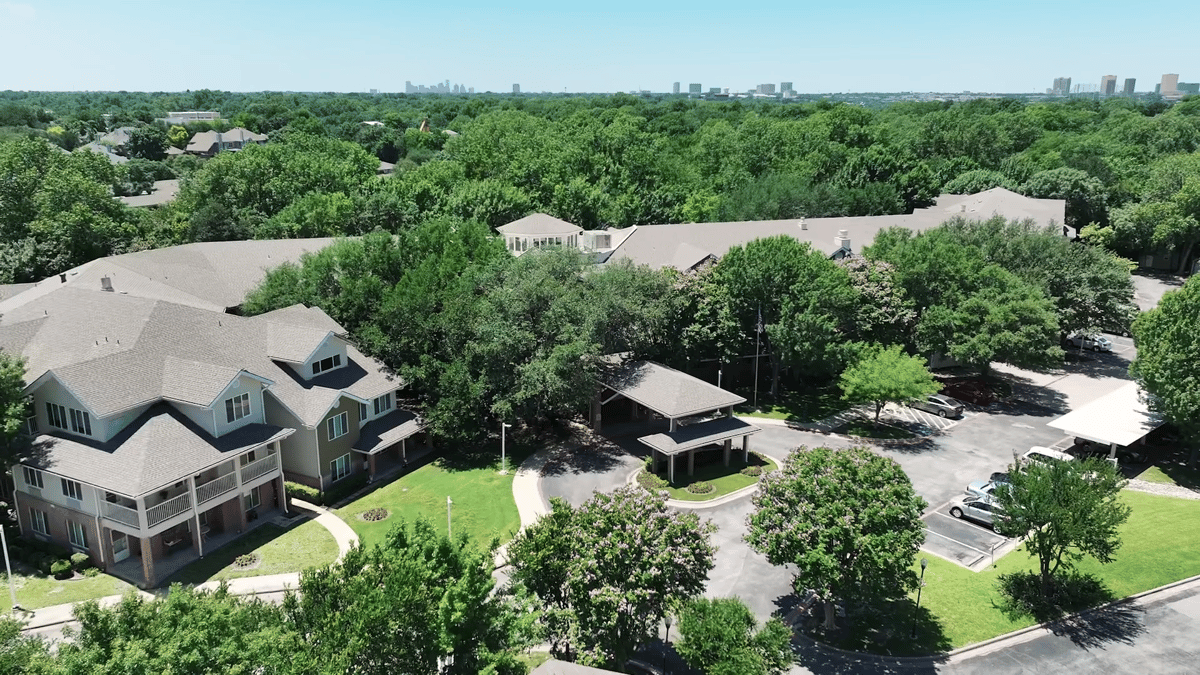
At Whiterock Court, staying connected is simply part of everyday life. Residents can share chef-prepared meals with neighbors, join social events and wellness programs, or spend time in inviting common areas where conversations and friendships happen naturally.
Whether you're taking part in health & fitness programs, visiting the professional salon and barbershop, or gathering with friends, there are plenty of opportunities to stay engaged and enjoy an active, social lifestyle. Residents can maintain their independence while enjoying a welcoming community that makes it easier to build meaningful connections and avoid the isolation risks senior adults can sometimes face.
Ready to see our community for yourself? Schedule a tour to experience our welcoming atmosphere, explore our amenities, and learn how independent living can support the lifestyle you want.
**A choice of third-party providers is available onsite for convenience, but residents are under no obligation to use any particular one.